Tenchijin

天地人

  • Winter 2009
  • Spring
  • Summer
  • Autumn
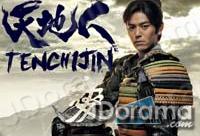
Tenchijin key art
© NHK
NetworkNHK
Broadcast4 Jan 2009 – 22 Nov 2009
Episodes47 Episodes
ViewershipAverage 21.2%
Fan score 6.8 from 4 reviews
Genreshistorical period

Synopsis

The 48th NHK Taiga drama is Tenchijin, based on Hisaka Masashi's novel of the same name.

The story centers on Naoe Kanetsugu, a loyal and devoted samurai in Echigo Province in the 16th century. Kanetsugu was trained in his early childhood by Uesugi Kenshin and after his death, served Kenshin's adopted son Kagekatsu and is known for his extreme loyalty to the Uesugi family. He also made every effort to protect the people of Echigo with a strong sense of justice and genuine sympathy toward commoners.

Synopsis: NHK

Cast & characters 37 credited

Soundtrack

Tenchijin soundtrack cover

Fan reviews 5 reviews

6.8/ 10
10 0
9 1
8 1
7 0
1–6 2

Great taiga experience

9 / 10

MonsterZero65 · 2010

I really enjoyed the unique point of view portrayed in Tenchijin. This is such an interesting period of Japanese history and looking at it from different angles is a great way to inspire new thinking. The acting was great as can be expected.

Good Taiga.

8 / 10

MonsterZero-65 · 2009

The 48th Taiga drama was another that was not focused on a super famous person but rather a general that not a whole much is known as fact so a lot of liberties were taken but that's okay. It was very entertaining and each episode got better. Great acting and interesting story as expected from an NHK Taiga drama. Still it will not place in my top Taiga picks but good none the less.

Ordinary, but likable

6 / 10

jdoramadotcom · 2009

Given the level of star power (which includes Misako Tanaka, Abe Hiroshi, Kazuki Kitamura, Masanobu Takashima, Yoshino Kimura, Aibu Saki...and the list goes on), one expects more. This drama boasts a more intimate, personal viewpoint in its story of an Uesugu samurai who prefers peace to constant war, and at its best, Tenchijin has s striking visual sense.

However, the awkward use of flashbacks and stagy effects frequently halts the drama in its tracks, with key scenes theatrically put on a cheap sound stage.

With this series, Eriko Komatsu moves from writer to director, but it's a journeyman effort at best.
All 5 reviews